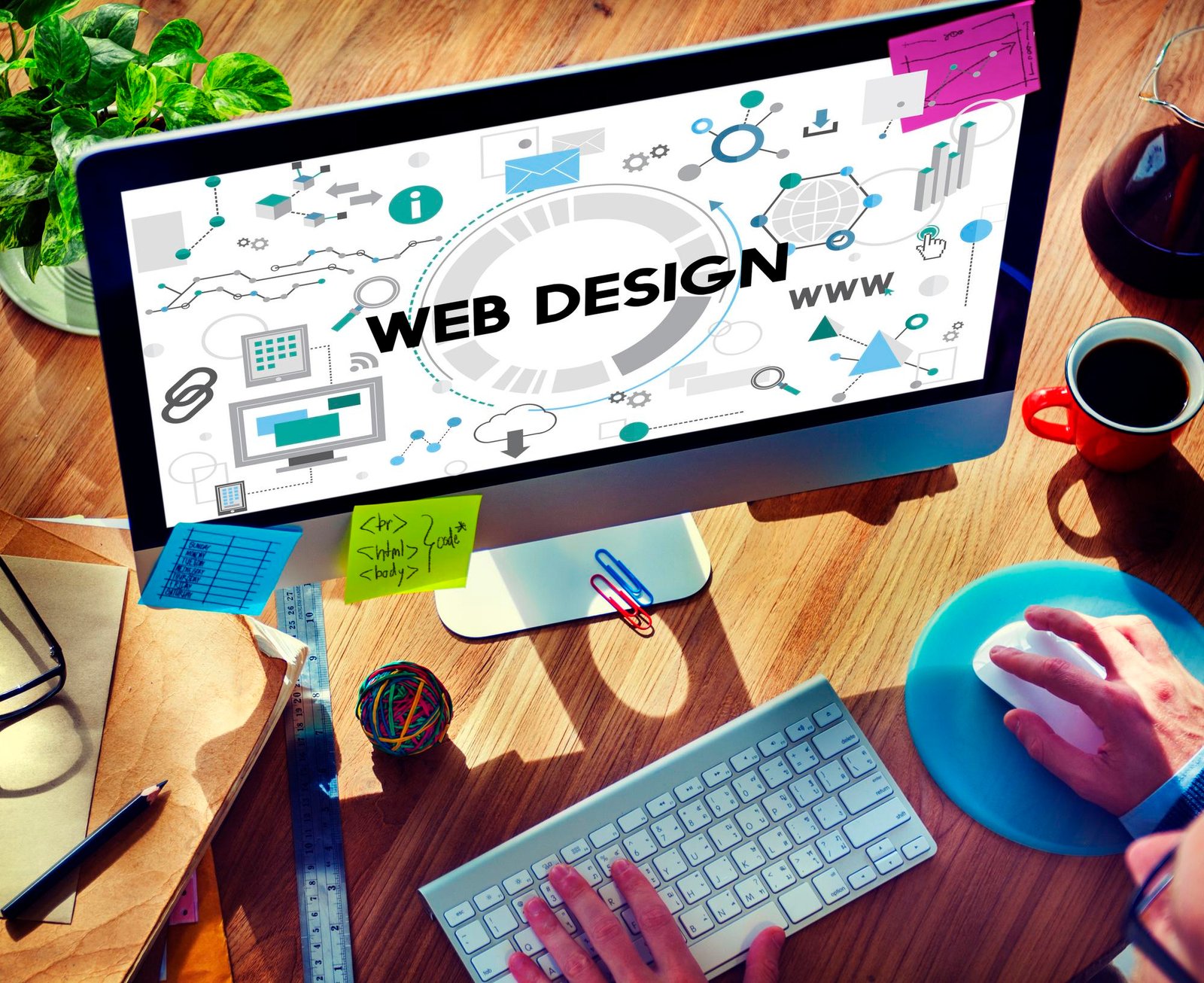
In the competitive world of B2B marketing, businesses are constantly seeking ways to stand out, connect meaningfully with their audiences, and convert interest into action. One of the most effective yet underused methods is website personalization. By tailoring a website experience to the specific needs, behaviors, and preferences of each visitor, B2B brands can dramatically improve engagement and increase conversion rates.
In this blog, we’ll explore practical website personalization strategies that are proven to boost B2B engagement and conversions, and how your business can implement them.
What Is Website Personalization?
Website personalization is the process of delivering a customized web experience to each visitor based on data such as location, industry, behavior, and past interactions. Instead of offering a one-size-fits-all website, you serve dynamic content, tailored recommendations, and relevant calls-to-action (CTAs) that match each visitor’s needs.
In B2B, where decision-making processes are longer and involve multiple stakeholders, personalization helps build trust, demonstrate relevance, and guide prospects more efficiently through the sales funnel.
Why Website Personalization Matters in B2B
- Longer Sales Cycles: B2B buyers spend more time researching before making a purchase. Personalization speeds up this process by delivering relevant information quickly.
- Multiple Decision-Makers: Personalization allows companies to address various stakeholders—technical users, business leaders, procurement teams—each with different needs.
- Better Engagement: Personalized experiences keep users on-site longer and increase the likelihood they’ll return.
- Higher Conversions: Showing the right content at the right time increases form fills, demo requests, and other key conversions.
Top Website Personalization Strategies for B2B
1. Personalize by Industry or Vertical
Tailor your website content based on the visitor’s industry. This includes:
- Industry-specific case studies
- Relevant blog posts or whitepapers
- Testimonials from similar businesses
Tools like Clearbit or Demandbase can detect company data in real time and adjust content accordingly.
2. Use Account-Based Marketing (ABM) Tactics
If you’re targeting a list of high-value accounts, create personalized landing pages for each one. You can include:
- The company name or logo on the page
- Custom messaging addressing their pain points
- Recommendations based on their business profile
ABM personalization shows your prospects that you’ve done your homework.
3. Tailor CTAs Based on Buyer Stage
Not all visitors are ready to talk to sales. Adjust your CTAs depending on where someone is in the buyer’s journey:
- Top of funnel: Offer a free guide or blog subscription
- Mid funnel: Provide comparison tools or case studies
- Bottom of funnel: Encourage demo requests or contact forms
Smart CTAs help reduce friction and meet users where they are.
4. Leverage Behavioral Data
Track user behavior on your site to personalize future experiences. Examples include:
- Showing recently viewed products or services
- Suggesting related content based on prior page views
- Re-targeting visitors with tailored homepage messaging
Platforms like HubSpot, Marketo, or Optimizely make this easy to implement.

5. Geo-Personalization
Customize content based on the visitor’s geographic location. This is especially useful for:
- Highlighting local case studies or partners
- Adjusting pricing based on region
- Promoting nearby events or trade shows
Even changing the language or currency can make your website feel more relevant.
6. Integrate CRM and Website Data
If a known lead revisits your website, use CRM data to personalize their experience. For example:
- Greet them by name or company
- Reference their last interaction or interest
- Serve next-step content aligned with their profile
This type of personalization requires syncing tools like Salesforce with your CMS or personalization engine.
7. Create Dynamic Content Blocks
Use dynamic modules on your homepage, product pages, or blog to display different content to different users. Examples:
- Display a “Welcome back” message to returning visitors
- Show content based on company size or role (e.g., CMO vs. CTO)
- Switch product messaging for startups vs. enterprise clients
This approach ensures your site adapts in real time to who’s viewing it.
Tools That Make Website Personalization Easier
Here are some popular platforms that support B2B website personalization:
- HubSpot: Offers smart content and list-based personalization
- Marketo: Personalizes emails and landing pages
- Optimizely: Great for A/B testing and personalization at scale
- Clearbit Reveal: Identifies anonymous visitors and enriches company data
- Segment: Connects user behavior across platforms to personalize experiences
Common Mistakes to Avoid
- Over-Personalization: Don’t overwhelm users by trying to personalize every element—it can feel intrusive.
- Not Testing Variants: Always A/B test personalized elements to understand what works best.
- Ignoring Mobile: Ensure personalization is responsive and works well on mobile devices.
- Poor Data Hygiene: Personalization is only as good as the data feeding it. Regularly clean and update your contact and behavior data.
Measuring the Impact of Personalization
Track the following metrics to assess the success of your personalization efforts:
- Engagement Rates (time on site, bounce rate, pages per session)
- Conversion Rates (form fills, demo bookings, downloads)
- Return Visitor Rate
- Lead Quality (based on MQL or SQL qualification)
Use these insights to refine your strategy and scale what works.
Conclusion
In B2B marketing, personalization isn’t just a nice-to-have—it’s a must for companies looking to stay competitive. By implementing smart, data-driven website personalization strategies, you can create meaningful experiences that convert visitors into leads and leads into loyal customers.
Start small, measure your results, and scale gradually. With the right tools and strategy, your website can become your most powerful sales asset.
Want to learn more about boosting B2B conversions with personalization?
Subscribe to our blog for expert insights and practical guides on B2B marketing, tech, and automation.



Leave a Reply