
In B2B sales, timing is everything. The faster your team connects with a potential buyer, the higher the likelihood of conversion. Yet, many businesses still lose qualified leads simply because they take too long to respond. Enter AI-powered lead routing — a transformative technology that redefines speed-to-lead, enabling sales teams to respond in seconds, not minutes.
This shift is not just about automation; it’s about intelligence, precision, and a fundamental change in how B2B organizations manage lead flow.
Understanding AI-Powered Lead Routing
Traditional lead routing systems rely on static rules — leads are assigned based on geography, product type, or company size. However, these systems often fail to adapt in real time.
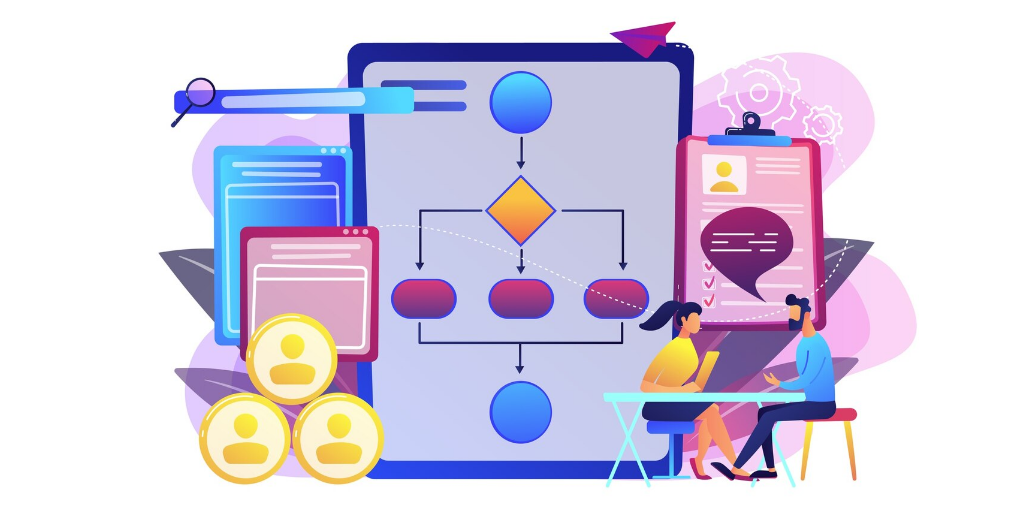
AI-powered lead routing changes that dynamic. It uses machine learning algorithms to automatically assess, prioritize, and distribute leads based on intent, engagement level, and fit. The system evaluates thousands of data points — from CRM history to behavioral triggers — and routes the lead to the best-fit sales representative within seconds.
In short, it transforms lead distribution from a manual, reactive process into a proactive and predictive system.

Why Speed-to-Lead Matters More Than Ever
Speed-to-lead — the time it takes for a sales team to respond after a lead expresses interest — is one of the most crucial performance metrics in B2B marketing. Studies consistently show that contacting a lead within five minutes can increase conversion rates up to 400%.
The reason is simple: modern buyers are impatient. They compare multiple vendors, expect instant replies, and rarely wait for follow-ups. Every minute of delay lowers your chance of engagement.
AI eliminates these delays by ensuring the right rep is alerted instantly when a qualified lead arrives — enabling real-time conversations that capture attention before competitors even respond.
The Intelligence Behind AI Routing
AI-powered lead routing doesn’t just work fast — it works smart.
Here’s how it optimizes every stage of the lead distribution process:
- Lead Scoring & Qualification:
AI assesses each lead’s likelihood to convert using behavioral data, firmographics, and engagement history. - Contextual Routing:
Instead of simple territory or round-robin rules, AI uses contextual factors such as product interest, buying stage, and language preference to route leads. - Continuous Learning:
As more leads are processed, the system learns which reps close faster, which industries respond best, and what communication patterns drive success. - Adaptive Prioritization:
High-intent leads are pushed to the top of the queue instantly, while low-quality leads can be nurtured automatically or re-engaged later.
This level of intelligence ensures that no opportunity falls through the cracks.
Key Benefits of AI-Powered Lead Routing
1. Unmatched Response Speed
AI systems can analyze and assign leads in milliseconds, ensuring immediate follow-up and dramatically reducing response times.
2. Improved Lead Quality
By scoring leads based on intent and fit, AI ensures that only the most promising prospects reach your sales team.
3. Optimized Sales Productivity
Reps spend less time managing lead lists and more time engaging with qualified prospects — improving both morale and efficiency.
4. Higher Conversion Rates
Speed and accuracy combined translate into higher engagement and better win rates across the funnel.
5. Data-Driven Decisions
Every routing action is logged and analyzed, allowing marketing and sales leaders to refine strategies and forecast outcomes with greater accuracy.
Integrating AI Routing with Your CRM
AI-powered lead routing delivers the best results when integrated directly into your CRM and marketing automation systems.
Most modern CRMs — like Salesforce, HubSpot, and Zoho — now support AI-driven routing either natively or through third-party integrations. When properly connected, these systems can:
- Instantly assign leads based on real-time engagement data
- Trigger notifications through mobile or desktop alerts
- Sync communication data for tracking and analytics
- Enable automated follow-ups for unresponsive leads
This integration ensures a seamless flow of information between marketing, sales, and customer success teams, minimizing friction across the buyer journey.
Use Cases: Real-World Impact
Case 1: SaaS Company Reduces Lead Response Time by 90%
A B2B SaaS provider implemented AI routing to prioritize enterprise leads. Within a month, their average response time dropped from 15 minutes to under 2 minutes, and conversions increased by 38%.
Case 2: Manufacturing Firm Boosts Conversion Rates
A manufacturing firm used AI routing to match leads based on region, language, and product interest. This personalization improved engagement and shortened their sales cycle by 25%.
These examples illustrate how speed-to-lead directly correlates with measurable business growth.
Overcoming Common Challenges
Implementing AI lead routing can present a few challenges — particularly with data quality, system integration, and team adoption.
To overcome these hurdles:
- Clean Your Data Regularly: AI is only as good as the data it analyzes. Ensure your CRM and marketing systems are free of duplicates and errors.
- Define Clear Rules and Objectives: Even with AI, human strategy matters. Set priorities for how leads should be scored and distributed.
- Train Your Sales Team: Ensure your reps understand the system and trust the data. Adoption is crucial for maximizing ROI.
Once these challenges are addressed, AI routing can quickly become a competitive advantage.
The Future of Speed-to-Lead
In the near future, AI will go beyond routing. We’ll see systems capable of predicting the optimal time to contact a lead, suggesting personalized outreach templates, and even automating initial conversations via chatbots or voice assistants.
This evolution means lead management will no longer be just operational — it will be strategic. Businesses that invest early in intelligent lead distribution will dominate future buyer interactions.
Conclusion
AI-powered lead routing represents a paradigm shift in B2B sales operations. It bridges the critical gap between lead generation and human interaction, ensuring that no potential customer is left waiting.
By combining speed, intelligence, and personalization, AI transforms every second of the sales process into an opportunity — driving better conversions, stronger relationships, and sustained growth.
For B2B organizations aiming to thrive in a fast-paced digital marketplace, embracing AI-driven speed-to-lead strategies isn’t optional anymore — it’s the only way forward.



Leave a Reply