In the ever-evolving world of B2B sales, the traditional concept of a single decision-maker guiding a purchase process has become outdated. Today, buying groups are increasingly responsible for making decisions, and understanding how to engage them effectively within the B2B lead funnel is crucial for driving growth.
This article will explore the significance of buying groups in the B2B lead funnel, why they are important, and how businesses can leverage them to optimize their sales process and drive sustained growth.
What Are Buying Groups?
A buying group refers to a collective of individuals within an organization who are involved in a purchasing decision. These groups typically consist of key stakeholders from different departments or functions, each bringing their own perspective and criteria to the decision-making process. Members of a buying group can include:
- Decision-makers: Those who have the authority to approve or veto a purchase.
- Influencers: Individuals who may not have decision-making power but significantly impact the decision, such as product managers, department heads, or technical experts.
- End-users: The people who will ultimately use the product or service being purchased.
- Gatekeepers: Those who control access to decision-makers, such as administrative assistants or procurement officers.
- Legal and Compliance Teams: Individuals responsible for ensuring the purchase aligns with legal and regulatory requirements.
In today’s complex B2B environment, purchasing decisions are often made collaboratively, with various stakeholders evaluating the product from different angles. As such, a buying group can significantly extend the length and complexity of the lead funnel. Understanding how to engage these groups effectively can be a game-changer for B2B marketers and sales teams.
Why Buying Groups Matter in the B2B Lead Funnel
Historically, B2B sales were centered around a single point of contact — often the CIO, CEO, or Procurement Manager. However, the growing complexity of products and services, as well as the increasing need for cross-functional collaboration, has led to a shift towards buying groups. Here’s why they matter:
1. Increased Decision-Making Complexity
As companies become more collaborative and integrated, purchasing decisions often require the input of multiple departments. For instance, when investing in enterprise software, IT teams, finance departments, and business leaders may all need to have a say. This increased complexity leads to longer sales cycles but also presents more opportunities for engagement across multiple personas within the company.
2. Diverse Buyer Needs and Priorities
Each member of a buying group has their own set of priorities. The CTO may be focused on technical compatibility, while the CFO might be more concerned with cost-effectiveness and ROI. If you want to successfully navigate the B2B lead funnel, understanding these diverse priorities and addressing them in your messaging is essential. Tailoring your content and approach to meet the needs of each stakeholder will increase your chances of closing the deal.
3. Higher Influence and Power in Decision-Making
The influence of each member of the buying group can vary. While the final decision may rest with one individual, the opinions and input of others can significantly shape the direction of the purchase. Recognizing the dynamics of this power structure can help your team prioritize who to engage with, when to engage them, and how to address their unique concerns.
How Buying Groups Affect the B2B Lead Funnel
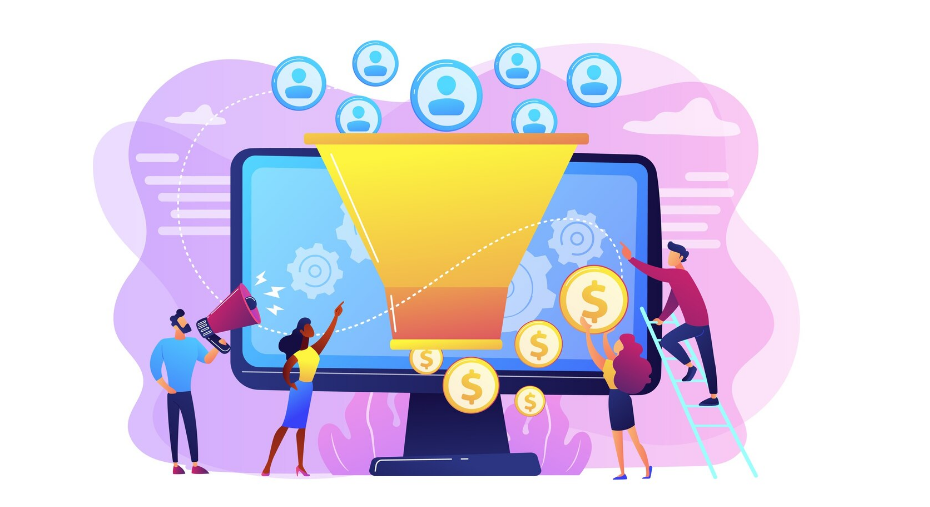
Understanding the role of buying groups in the B2B lead funnel allows businesses to refine their sales and marketing strategies. A typical B2B lead funnel includes several stages:
- Awareness
- Interest
- Consideration
- Intent
- Purchase
Each of these stages requires a tailored approach to engage the various individuals within the buying group. Let’s break down how buying groups impact each stage of the lead funnel.
1. Awareness Stage
At the awareness stage, your goal is to capture the attention of the buying group. While the marketing efforts might initially target one individual, the content needs to be broad enough to appeal to multiple stakeholders. A blog post, eBook, or video that addresses high-level industry pain points or emerging trends can attract the attention of a broad group, raising awareness across the organization.
For example, a comprehensive white paper on how a new piece of software can improve business efficiency might capture the interest of the CIO, VP of Operations, and Department Heads all at once, each coming from a different angle but all interested in how the solution addresses their specific challenges.
2. Interest Stage
Once you’ve captured the attention of the buying group, the next step is to build interest. At this stage, the needs and interests of the individual members of the group become more defined. Here, personalized content becomes critical. Sales and marketing teams should use lead scoring to identify which members of the buying group are engaging with your content.
For example:
- The CFO might download your financial ROI calculator.
- The IT Director might engage with a technical demo of your software.
- The Head of Procurement might download a vendor comparison guide.
Offering content that speaks directly to each stakeholder’s concerns will deepen their engagement and increase the likelihood of moving to the next stage.
3. Consideration Stage
In the consideration stage, the buying group has likely narrowed down the options and is now evaluating solutions more closely. This is where the group dynamics really come into play, as different individuals will have different criteria for evaluating the solution.
This is the time for more targeted communication:
- Provide detailed case studies or success stories that highlight how your solution has solved similar problems.
- Offer product demos that address the specific concerns of various stakeholders.
- Provide transparent pricing information and offer personalized consultations to address any lingering objections.
At this stage, sales teams should engage directly with key stakeholders from the buying group to answer questions and guide them through the process.
4. Intent Stage
When a buying group reaches the intent stage, they are actively considering making a purchase, but they still need some final assurances. This is the stage where it’s crucial to focus on closing the deal by addressing any last-minute concerns or objections. The buying group may request a final negotiation on price, terms, or contract length.
A great strategy here is to:
- Offer customized solutions or bundled services to sweeten the deal.
- Provide testimonials or references from other companies in the same industry to alleviate any doubts.
- Engage with decision-makers in real-time through sales calls or live chat to resolve final objections quickly.
5. Purchase Stage
By the time the buying group reaches the purchase stage, they’ve likely made their decision. However, this doesn’t mean your work is done. The final step is to ensure that all members of the group feel confident in the decision they’ve made, and this can be achieved through effective post-sale communication.
After the sale is closed, continue to engage with the buying group to ensure smooth implementation, onboarding, and training. This creates long-term advocates for your product and can lead to repeat business or referrals.
Best Practices for Engaging Buying Groups in the B2B Lead Funnel
To unlock the full potential of buying groups in the B2B lead funnel, businesses must adopt the following best practices:
1. Segment Your Audience by Role and Influence
Recognize that each member of the buying group plays a different role in the decision-making process. Use lead segmentation strategies to deliver tailored content that resonates with the unique needs and pain points of each individual.
2. Create Multi-Channel Engagement Strategies
Buying group members engage with content in various ways. Some may prefer emails, while others engage through social media or webinars. Ensure your engagement strategy spans multiple channels, including:
- Email marketing with tailored content.
- Webinars and online demos.
- Social media to foster discussions and share insights.
- Interactive content like quizzes, assessments, or ROI calculators.
3. Leverage Data and Insights
Use data to understand which stakeholders are engaging with your content at each stage of the funnel. This will help you prioritize your outreach and provide timely, relevant information to the right individuals within the buying group.
4. Foster Collaboration Between Sales and Marketing Teams
A seamless collaboration between sales and marketing teams is essential for engaging buying groups effectively. Sales teams should be well-informed about the content and campaigns that marketing has developed to ensure consistency and alignment throughout the funnel.
5. Offer Personalized Communication and Demonstrations
Tailored, one-on-one interactions—whether in person or virtually—are critical in addressing each buying group member’s specific concerns. Custom demos, consultations, or trials can go a long way toward winning over decision-makers and influencers.
Conclusion
Buying groups are becoming the norm in B2B sales, and understanding how to effectively navigate and engage these groups within the lead funnel is essential for unlocking growth. By recognizing the different roles and motivations of the individuals in a buying group, you can create a more personalized, targeted, and efficient sales strategy.
From the awareness stage through to purchase, businesses must take a holistic approach to engage multiple stakeholders and build confidence in the decision-making process. With the right tactics and strategies in place, you can drive successful B2B sales and set the stage for long-term growth.



Leave a Reply